Fire damage costs — guidance, not a quote
Fire and smoke damage is priced after an on-site assessment. These are the factors that move the cost up or down.
What drives the cost
- How far soot and smoke residue spread — one room versus the whole building, including ducts and wall cavities.
- Type of residue: dry soot wipes off more easily than oily or protein residue from kitchen fires.
- Smoke odour treatment needed in structure, HVAC and soft furnishings.
- Contents: what can be cleaned and returned versus what must be listed as a loss, and whether a pack-out is needed.
- Make-safe work: board-up of openings, roof tarping, temporary security.
- Firefighting water in floors and walls, which adds extraction and drying to the fire cleanup.
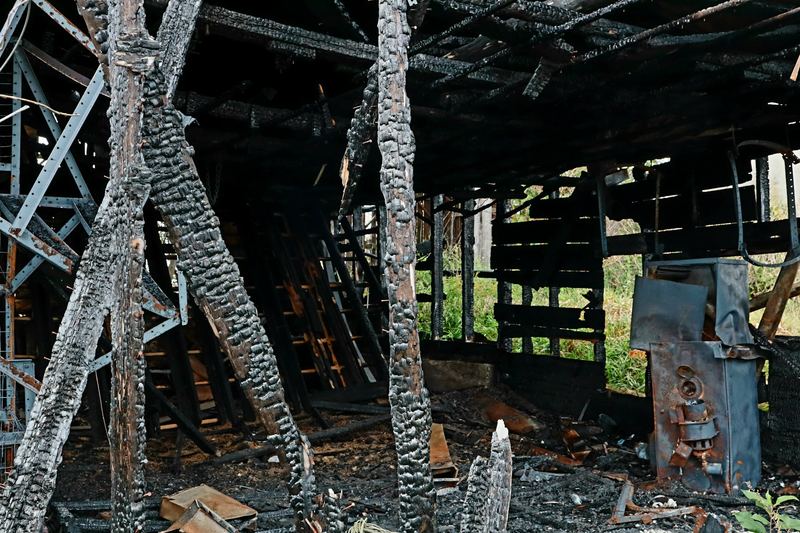
- Materials that must be removed and rebuilt rather than cleaned, such as charred framing, insulation and drywall.
- Access and safety restrictions while the fire service or a structural engineer assesses the building.
Insurance
Whether and how much your insurer pays depends on your policy. Photograph everything before cleanup starts, keep damaged items until the adjuster has seen them, and ask for a written scope and estimate before work begins.
Why there is no price list here
Two fires of the same size can need very different work, so any fixed price would be guesswork. We explain the cost after seeing the property. Public guidance from insurers and emergency agencies is linked below.